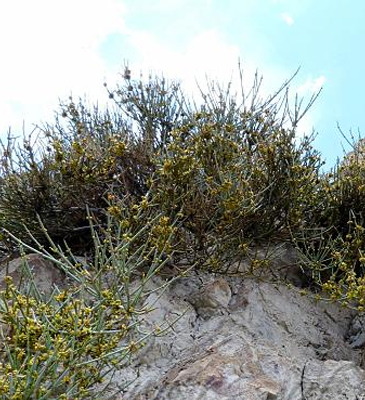
The exact botanical identity of the original Soma plant described in the Vedas has been a subject of scholarly debate for centuries. The Vedic texts describe Soma in poetic and symbolic terms, often focusing on its spiritual qualities rather than its physical characteristics.
Some of the main botanical candidates proposed by researchers include:
Ephedra species, known for their stimulating properties.
Sarcostemma acidum (Somalata), traditionally associated with Vedic rituals.
Various mountain plants used in ancient ceremonial contexts.
Because the Vedas were composed thousands of years ago, environmental changes, migration, and cultural shifts may have affected the availability and identification of the original Soma plant. As a result, there is no single universally accepted botanical identification.
Traditional Vedic practitioners, however, follow scripturally approved substitutes when the original Soma plant is unavailable. These substitutes are selected according to ancient ritual texts and lineage traditions. The emphasis remains on the spiritual meaning, intention, and ritual purity rather than the precise botanical species.
This approach ensures that the authentic spirit of the Soma Yagna continues, preserving the sacred tradition while adapting to practical realities.